Guide how to get rid of sowbugs in the house naturally
Sowbugs commonly enter indoors for one reason: they located moisture and shelter. You may notice them in a basement, crawl space, laundry area, bathroom, or along a foundation wall. These small indoor pests do not need food kept in your home. They need damp conditions, darkness, and an easy route through cracks and gaps.
Natural sowbug control works best when you address the moisture problem and seal entry points. Vacuuming removes the insects you can see, while humidity control, yard cleanup, and simple repairs help stop new ones from entering. This approach suits Canadian homes that face cool seasons, melting snow, heavy rain, and winter sheltering.
What Are Sowbugs?
Sowbugs are small land-dwelling crustaceans connected to shrimp and crabs. They are also called woodlice and are members of the isopods group. Pill bugs are close relatives, but they can roll into a tight ball when disturbed. Sowbugs usually remain flat and may have two small tail-like appendages at the rear.
Most sowbugs are grey, brown, or slate coloured. They have a segmented body and several pairs of legs. Unlike insects, they breathe through structures that must stay moist. That need explains why you often find them beneath damp boards, wet leaves, flowerpots, and stored materials near the foundation.
Sowbugs feed mainly on decaying plant material. They do not live on blood, stored food, or human tissue. A few insects indoors may simply have wandered inside. A larger group often points to an outdoor habitat or an indoor moisture source close to an entry point.

How Sowbugs Get Into Canadian Homes
Dampness is the primary cause sowbugs move into a house. A damp basement, wet crawl spaces, or a poorly aired utility room can provide the cool and humid conditions they need. They may come inside after rain, during a dry spell, or when outdoor temperatures shift suddenly.
Humidity also increases indoors during everyday activities. Showers, laundry, cooking, and drying clothes can add humidity to the air. If that vapour condenses on cold foundation walls or floors, it creates wet areas where sowbugs can remain.
Cool temperatures can push sowbugs toward protected areas. In autumn, they may look for shelter under siding, in wall voids, beneath stored items, or around doors. A small opening at floor level can provide an simple way in into a basement or crawl space.
Check for leaking pipes, dripping taps, wet insulation, clogged gutters, and water collecting beside the foundation. A moisture problem near the building often matters more than any indoor repellent. Fixing the source gives you better pest control than repeatedly treating visible insects.
Are Sowbugs Harmful to People, Pets, or Property?
Sowbugs are not known to bite people or transmit disease in normal household conditions. Their impact on human health is usually indirect. A group of sowbugs may indicate excess moisture, and persistent dampness can support mould growth or contribute to poor indoor air quality.
Pets are generally safe around sowbugs. Dogs and cats may eat one without harm, although you should discourage pets from consuming large numbers of insects or anything treated with a household product. Keep powders and essential Visit Your URL oils away from animals unless the product label confirms safe use.
Sowbugs do not chew sound wood or cause structural wood damage. They feed on decaying wood and other organic matter outdoors. Their presence near damaged boards may suggest that damp conditions have already weakened the material, so check the area rather than blaming the sowbugs.
Food contamination is not a typical concern because sowbugs do not seek stored food. Still, remove any insect found in a pantry, wash surfaces, and store food in sealed containers. These steps help with general indoor pest control and make inspections simpler.
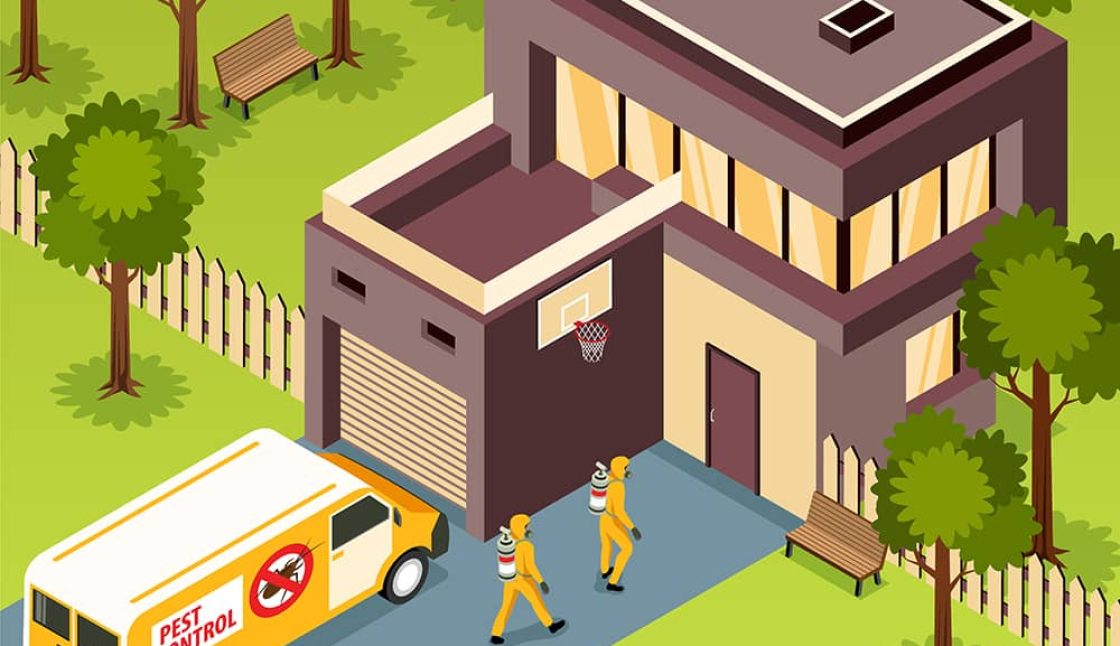
Ways to Remove Sowbugs Without Chemicals Indoors
Begin by removing them, then correct the conditions that support the sowbug infestation. Vacuuming works well for sowbugs you can see along walls, beneath appliances, and around basement windows. Next, add humidity control and a check for leaks or gaps.
A dehumidifier can reduce indoor moisture in a basement or other damp area. Set it according to the manufacturer’s instructions, empty its reservoir regularly, and clean its filter. Good ventilation also helps move humid air outside, especially in bathrooms and laundry areas.
Diatomaceous earth can work as a physical barrier in dry, protected locations. The fine powder damages the outer coating of crawling insects when they cross it. Apply only a light layer in cracks or voids, follow the package directions, and avoid breathing the dust. Keep it away from children, pets, fans, and food preparation areas.
Soapy water can remove sowbugs from hard surfaces. Mix a small amount of mild dish soap with water in a spray bottle, apply it directly to the insects, and wipe the area afterward. This is a contact method, not a solution for the damp conditions that drew in them.
Remove Sowbugs and Dispose of Them Safely
Use a vacuum cleaner to pick up sowbugs from floors, walls, window wells, and corners. A crevice attachment can reach narrow spaces without moving debris around. Empty a bagless canister outside into a sealed bag, or remove and discard the vacuum bag promptly.
A dustpan and brush work well when you find only a few insects. Place the collected sowbugs in sealed bags before putting them in household waste. If you prefer outdoor release, move them well away from doors and foundation walls, but do not release them into a dry area where they are unlikely to survive.
Clean the surface after removal. Clear soil, plant debris, and damp residue. Avoid leaving wet cardboard, fabric, or stored items on the floor because these materials can provide shelter for more indoor pests.
Control Indoor Moisture and Humidity
Check for leaking pipes beneath sinks, around laundry equipment, and near heating systems. Repair leaks quickly and remove moisture from wet materials. If water has reached insulation, drywall, or flooring, check whether those materials need replacement.
Improve ventilation in rooms that collect moisture. Run bathroom fans during showers and for a short period afterward. Keep air moving around stored items, and leave space between furniture and cold foundation walls.
A moisture meter can help you locate damp building materials that feel dry on the surface. Check basement corners, window frames, wooden shelving, and areas near plumbing. Pair these readings with a visual home inspection for condensation, stains, mould, and efflorescence.
Use a dehumidifier in damp basements or crawl spaces when natural airflow does not keep humidity under control. Drain the unit safely, clean it often, and confirm that the drainage hose does not leak. Humidity control reduces the conditions sowbugs need to breathe and reproduce.
Choose Natural Barriers and Low-Risk Remedies
Diatomaceous earth may help along dry thresholds, behind appliances, or inside a dry wall void. It loses value when wet, so correct the moisture source first. Never spread a thick cloud of powder through a room.
Cinnamon may discourage some crawling insects because of its strong scent, but it is not a reliable treatment for a sowbug infestation. The same applies to essential oils. Oils can irritate people and pets, stain surfaces, or cause harm if misused. Use only products made for indoor application and follow all label directions.
Door sweeps form a practical physical barrier. Fit one tightly against the floor without preventing the door from closing. Weatherstripping around the frame can close smaller gaps where sowbugs enter during wet or cool weather.
These non-toxic methods work best as part of a wider plan. They do not replace repairs, drying, or sealing openings. Natural pest control succeeds when it changes the conditions inside and outside your home.
How to Keep Sowbugs from Coming Back
Check the bottom edge of exterior doors, basement windows, vents, utility lines, and foundation joints. Seal openings with an effective caulk, mortar repair product, or expanding foam appropriate for the location. Do not block required vents or drainage paths.
Fix cracks and gaps around window frames and foundation walls. Install weatherstripping where it has flattened or separated. Add door sweeps to exterior doors and service doors, then test the seal by looking for daylight from inside.
Place window screens tightly and fix holes before insects find them. Clean window wells and confirm that they drain properly. Water trapped beside a window creates both an outdoor habitat and a possible entry point.
Foundation drainage deserves close attention. Maintain gutters, lengthen downspouts away from the building, and keep soil graded so water moves away from the foundation. If water still pools beside the house, seek advice about drainage improvements rather than masking the problem with a repellent.
Why Sowbugs to Your Yard?
Leaf debris provides food and shelter. Deep piles against the foundation remain moist after rain and guard sowbugs from shifts in temperature. Remove leaves on a regular basis, especially from window wells, steps, and slim areas beside exterior walls.
Mulch can also stay wet. Place it away from siding and foundation walls, and skip putting a deep layer directly against the building. Leave a gap that allows air movement and lets you view the base of the wall.
Compost draws sowbugs because it contains rotting plant matter. Keep compost contained, covered when practical, and positioned away from doors and foundation walls. Rotate it according to the needs of the compost system so wet pockets do not remain undisturbed.
Rotting plants and deteriorating timber create a steady food source. Dispose of fallen branches, rotting boards, dead plants, and wet cardboard from the side yard. Keep garden items on elevated supports instead of directly on soil.
Exterior Sowbug Control Without Harsh Chemicals
Good yard maintenance limits the outdoor habitat around your home. Rake leaf litter, trim plants away from walls, clear debris from drainage areas, and keep ground surfaces open enough to dry after rain.
Manage organic matter with care. Keep mulch and compost away from the foundation, and remove decaying vegetation before it piles up. If you use wood chips, check the area after wet weather and address spots that remain saturated.
Firewood storage plays a role in pest prevention. Stack firewood off the ground and away from exterior walls. Protect the top while leaving the sides open for airflow. Carry indoors only the amount you plan to burn soon, and inspect each piece before carrying it indoors.
Rainwater management is a central part of natural sowbug control. Clean gutters and downspouts, fix leaking outdoor taps, and send discharge away from the building. Check grading after snow melts or heavy rain. A dry foundation zone gives sowbugs less reason to approach the house.
Do Sowbugs Survive Canadian Winters?
Sowbugs can survive winter through overwintering. They find sheltered areas beneath soil, leaf litter, mulch, wood, stones, and building materials. Protected spaces reduce exposure to freezing temperatures and sudden changes in moisture.
Some individuals may remain active during mild periods, especially beneath snow or in insulated outdoor materials. Others move into wall voids, crawl spaces, basements, or gaps around doors. Spring activity often rises when temperatures rise and moisture becomes available.
Winter does not solve the cause of a problem. It may simply mask the insects until spring. Before cold weather arrives, remove debris from the foundation, seal entry points, check drainage, and lower indoor humidity. These steps reduce shelter and decrease the number of sowbugs that can return indoors.
When to Consider Professional Pest Control
Think about professional pest control if you see sowbugs often after clearing away visible insects and correcting basic moisture sources. A repeated infestation may point to hidden dampness, a damaged drainage system, or structural entry points that need closer inspection.
Professional help can also help when a basement or crawl space remains wet, when mould or damaged materials are present, or when you cannot identify where the insects enter. Ask for a home inspection that checks moisture, ventilation, foundation conditions, and routes around plumbing and wiring.
Integrated pest management uses the most targeted method that fits the problem. For sowbugs, that may mean moisture correction, exclusion, sanitation, monitoring, and limited treatment only when required. Discuss non-toxic methods and pet safety before any product is applied.
Mosquito Man is one factual example of a pest control business that may be contacted for guidance. Regardless of the provider you choose, ask what started the activity, which steps address the source, and what you can do to prevent a repeat problem.
Frequently Asked Questions About Sowbug Control
What are sowbugs?
Sowbugs are small land crustaceans, also known as woodlice. They are isopods related to pill bugs and need moisture to breathe. They feed on decaying plant material and usually enter homes through gaps near damp areas.
Why are sowbugs found in Canadian homes?
Sowbugs enter Canadian homes for shelter from cool temperatures, dry outdoor conditions, rain, and winter weather. Damp basements, crawl spaces, poor ventilation, leaks, and gaps near doors can make a house inviting to them.
Are sowbugs harmful to people or pets?
Sowbugs do not normally bite people, spread disease, or harm pets. They also do not damage sound wood. Their presence can point to excess moisture, which may support mould or damage building materials over time.
How can I prevent sowbugs indoors?
Reduce moisture, repair leaks, improve ventilation, and use a dehumidifier where needed. Seal openings around doors, windows, pipes, and foundations. Install weatherstripping, door sweeps, and window screens, then keep stored items off damp floors.
What brings sowbugs to my yard?
Fallen leaves, mulch, compost piles, decaying vegetation, decaying wood, and wet soil draw sowbugs. These materials create food and shelter. Clear them away from the foundation and maintain the area clean and well drained.
How do I remove sowbugs naturally?
Suction up visible sowbugs, tidy the area, and throw away them in tightly sealed bags. Reduce moisture with repairs, ventilation, and a dehumidifier. You can use soap solution on exposed insects and apply diatomaceous earth carefully in sheltered dry cracks according to its label.
When should I use a pest service for sowbugs?
Use professional pest control when activity continues to return, moisture remains unresolved, or structural entry points are hard to find. A provider can help with inspections, exclusion, moisture concerns, and integrated pest management rather than using only broad chemical treatment.
Do sowbugs survive Canadian winters?
Yes. Sowbugs survive by overwintering in protected spots beneath soil, mulch, leaves, wood, snow, and building materials. Some may shelter in basements or crawl spaces. Clearing away outdoor debris and blocking indoor entry points before winter can lower spring activity.